


Introduction
In today’s fast-paced world, noise is more than just a nuisance—it can affect productivity, health, and comfort. Whether in homes, offices, or industrial environments, controlling sound is essential. Acoustic barriers and barrier products offer an effective way to manage noise, providing both sound insulation and vibration dampening.
These products are not just materials—they’re carefully engineered solutions designed to tackle noise problems in multiple applications, from vehicles to construction sites.
Understanding Acoustic Barriers
Acoustic barriers are specially designed materials that block or reduce the transmission of sound. Unlike traditional insulation, they focus on both airborne noise (like talking or engine sounds) and impact noise (like footsteps or machinery vibrations). Many barriers also serve as anti-vibration pads, preventing noise from transferring through surfaces.
These barriers are highly adaptable—they come in sheets, die-cut pieces, or water-jet cut forms, making them easy to install on curved, uneven, or irregular surfaces. For more advanced solutions, they can be combined with acoustic foams to create custom laminates for superior sound management.
Types of Acoustic Barrier Products
1. Polymeric Barriers
Polymeric barriers, such as C03 (1.4mm) and C09 (2.5mm), are lightweight vinyl membranes designed to enhance sound insulation. Free from lead and harmful oils, these barriers are safe and environmentally friendly. They are ideal for stiff, lightweight materials like plywood or hollow-core panels, overcoming resonance problems and providing effective soundproofing.
2. Bitumen PE Foil Barriers
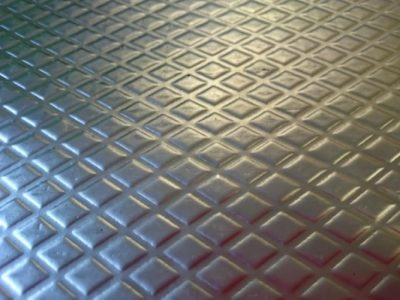
C022 (3mm) and C023 (5mm) are diamond-embossed, PE-faced barriers with self-adhesive backing. These barriers prevent sound transmission and dampen vibrations. The PE foil keeps the barrier clean while allowing easy bonding with other materials to create durable composite solutions.
3. Bitumen Aluminium Barriers
C024 features a dense laminated layer of bitumen, polymers, and mineral fillers protected by aluminium foil. Perfect for high-heat areas like engine compartments or heavy machinery, these barriers reduce engine noise and vibration, offering both acoustic and thermal protection.
Practical Applications
Acoustic barriers are used across a wide range of sectors:
- Automotive: Engine noise reduction, interior comfort, vibration control.
- Industrial Machinery: Minimizing impact noise and vibration in construction and agricultural vehicles.
- Home Appliances: Reducing noise from washers, dryers, and other appliances.
- Metal Furniture and Lift Cabins: Vibration dampening and sound insulation.
- Pipes and Ducting: Limiting noise transfer in plumbing or HVAC systems.
The flexibility and versatility of these products make them suitable for almost any scenario where noise is an issue.
The Role of Foam Conversion
Foam conversion complements acoustic barriers by shaping foam into specific forms to improve sound absorption and insulation. Using advanced cutting, molding, and laminating techniques, foam can be tailored to meet unique requirements.
Types of Foam
- Polyurethane Foam: Used in cushions, furniture, and insulation.
- Polystyrene Foam: Lightweight and insulating, perfect for packaging and construction.
- Polyethylene Foam: Moisture-resistant, durable, and protective for sensitive equipment.
Foam Conversion Techniques
- Precision Cutting: Hot wire, die-cut, and water jet methods.
- Molding: Compression or injection molding to create custom shapes.
- Laminating: Combining layers of foam with other materials to enhance soundproofing.
- Fabrication: Assembly of foam with acoustic barrier sheets for tailored acoustic solutions.
This customization allows foam to address challenges that simple barriers cannot, from thermal insulation in engine rooms to vibration control in industrial machinery.
Fire-Resistant Solutions: Class 0 Foam
Some environments require fire-resistant materials alongside sound control. Class 0 foam is chemically treated for high fire safety while remaining flexible and highly effective in sound absorption.
High-density Class 0 foam can be shaped to fit curved or complex surfaces, making it ideal for engine rooms, generator canopies, and industrial applications. Combined with barrier products, it offers a powerful solution for acoustic and fire safety needs.
Benefits of Class 0 Foam
- Fire-resistant and safe to handle
- Flexible and easy to cut to shape
- Non-toxic and environmentally friendly
- Self-adhesive options for easy installation
- Effective in harsh environments like automotive or marine sectors
Advantages of Acoustic Barriers
Investing in high-quality acoustic barriers and barrier products comes with significant benefits:
- Effective Noise Reduction: Blocks both airborne and impact noise.
- Vibration Dampening: Reduces structural vibrations in machinery and furniture.
- Versatility: Can be applied to flat, curved, or irregular surfaces.
- Safety: Fire-resistant options like Class 0 foam improve safety.
- Custom Solutions: Tailored to specific applications with foam conversion and laminates.
- Durability: Long-lasting materials that maintain performance over time.
Installation Tips for Maximum Performance
To achieve optimal results, consider these practical steps:
- Apply barriers in intimate contact with the surface to prevent sound leakage.
- Combine with acoustic foams for enhanced sound absorption.
- Use aluminium-faced barriers in high-heat areas.
- Maintain and inspect barriers regularly for longevity.
These simple steps ensure that acoustic solutions deliver lasting performance across industrial, commercial, and residential applications.
Why Partner with Experts
Selecting a trusted supplier is key to effective noise control. Companies like Acoustafoam provide:
- Wide selection of acoustic barrier products for various needs.
- Expertise in foam conversion and bespoke acoustic solutions.
- Advanced manufacturing capabilities with CNC machines, water jets, and laminators.
- Family-run dedication and decades of experience across industries.
Working with experienced professionals ensures that your acoustic solutions are precise, durable, and optimized for your specific requirements.
Conclusion
Sound control is essential in modern environments, and acoustic barriers combined with foam conversion provide an effective, flexible solution. From reducing engine noise in vehicles to creating quiet spaces in offices and homes, these products improve comfort, productivity, and safety.
Fire-resistant options like Class 0 foam add another layer of protection, making these solutions suitable for high-risk environments. With customization, versatility, and expert installation, acoustic barrier solutions are an investment in a quieter, safer, and more comfortable future.
