


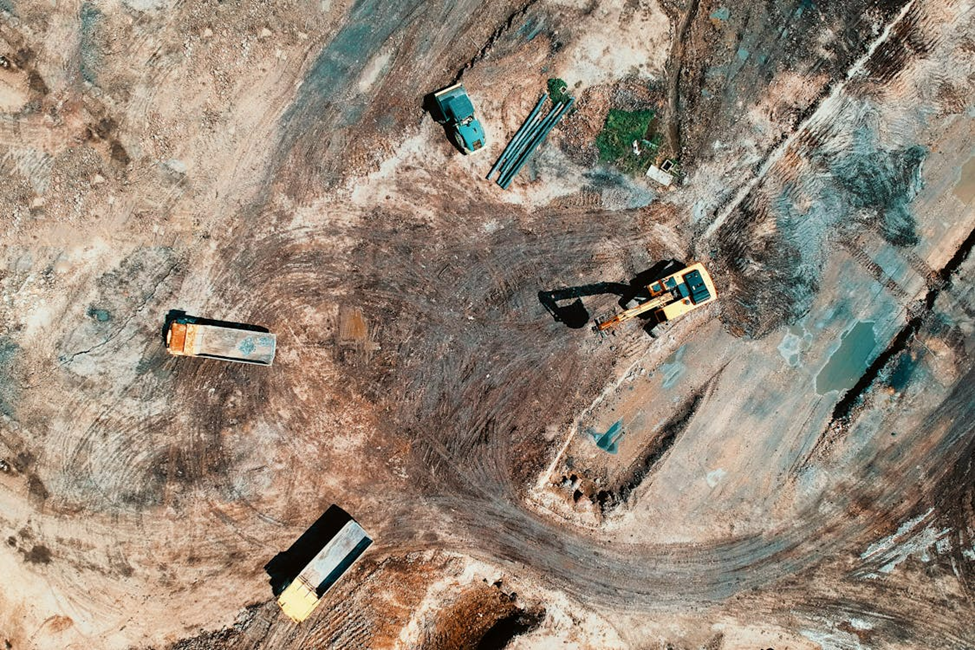
There is a certain thrill that comes from standing on raw land and envisioning the future home or investment property that one day will be built from the ground up. But there is a great deal of preparation that goes into the process of land clearing before the first brick is laid or the foundation dug. Land clearing is the first step in the land development process, but it is also the most complex. Not only does it involve the removal of trees and other foliage from the land, but there are also a number of regulations that must be adhered to during the process.
Assessing Environmental Impact
Before any machinery hits the land, it is important that you understand what is currently living on your land. Australia has very strict vegetation laws that must be adhered to, and ignorance of these laws is never an acceptable defence. You must determine whether there are any protected plant species or important trees that cannot be removed.
In addition to the flora of your land, there are also the fauna that must be taken into consideration. Not only can the removal of the flora displace wildlife, but there are also councils that require the presence of a wildlife spotter during the removal of the vegetation. The state of the land itself is also an important consideration that must be taken into account. If the land is not carefully cleared, there can be consequences such as the removal of the topsoil that can affect the foundation of your future home.
Navigating Council Regulations
The biggest hurdles that you are likely to face are the legal hurdles that must be cleared before you can start your land clearing process. Each council has its own set of rules that dictate what can or cannot be done on your land. You might find that you are required to get a permit to remove a certain tree or that your land is covered by a biodiversity corridor.
If you are unable to get the relevant permits, you can face substantial fines or the requirement that you replant the land at your own expense. It is important that you get advice from your local council or town planner early on in the process. They can inform you of any overlays that are on your land, such as a flood zone or a bushfire prone area that can affect the way that you clear the land. Working with qualified excavator operators on the Sunshine Coast can also help you get the right advice.
Ensuring Proper Grading and Drainage
Once the vegetation has been cleared away, it is then necessary to shape the land. This process is known as site grading. Site grading involves levelling and sloping the land to provide a good foundation. While it may seem simple to just flatten the land, it is actually important to consider water flow. This prevents water from collecting near your future building site. Such water collection can lead to future structural issues with cracking or shifting foundations.
Budgeting and Hiring Professionals
The costs involved in clearing land can be quite high. These costs are determined by the size of land to be cleared, the thickness of the undergrowth, and the topography of the land. There are also costs to be considered when hiring professionals to perform this work. While it may be tempting to save money by clearing land with a chainsaw and a utility vehicle, it is actually a rather dangerous process.
The best approach to land clearing involves hiring professionals to operate excavators. These professionals are well-versed in clearing land without damaging the structure of the land or encroaching on neighbouring properties. These professionals also bring all of the necessary machinery to deal with large stumps and rocks that cannot be handled by hand.
Ready to Break Ground
Clearing land is a process that requires balancing development needs with the realities of the land itself. When it comes to clearing land, it is necessary to understand what can be done. With proper planning and consideration of the laws governing land clearing, it is possible to set yourself up for success. The process of clearing land involves hiring professionals to operate excavators. These professionals are necessary to safely and efficiently clear land!
