


H2: Introduction
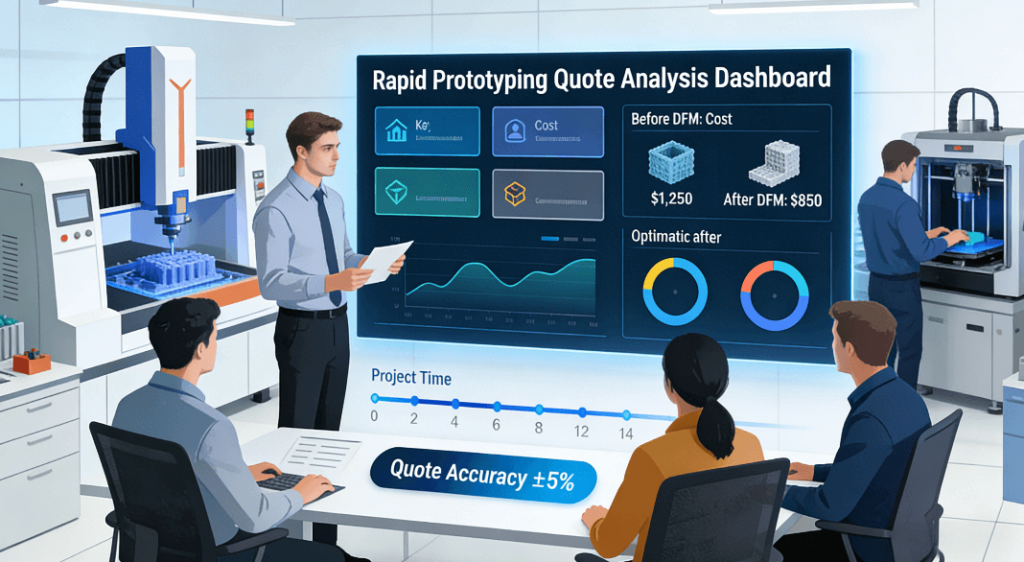
In today’s fast-paced product development landscape, engineers and procurement specialists face a persistent challenge with rapid prototyping services. While online instant quoting tools offer convenience, initial quotes often deviate significantly from final costs, leading to budget overruns and project delays. The core issue stems from incomplete design file information, insufficient understanding of Design for Manufacturability (DFM) principles, and opaque supplier capabilities. Traditional comparison methods frequently overlook these critical factors, resulting in unpredictable project outcomes.
This article provides a systematic framework to obtain accurate rapid prototyping quotes through design optimization, clear technical specifications, and qualified supplier selection. By understanding the key cost drivers and implementation strategies, teams can achieve predictable project outcomes and avoid costly surprises. So, what are the essential factors that determine quote accuracy in rapid prototyping?
H2: What Key Design Factors Significantly Impact Rapid Prototyping Costs?
Design decisions directly influence prototyping costs through multiple dimensions. Understanding these factors enables teams to make informed trade-offs between functionality, timeline, and budget.
H3: 1. Geometric Complexity and Manufacturing Challenges
Complex geometries with internal cavities, thin walls, or deep holes require specialized machining approaches and extended processing time. These features often necessitate multi-axis machining or complex tool paths, increasing both machine time and the risk of errors. The manufacturing complexity directly correlates with cost, as intricate designs may require additional setups, specialized tooling, or even custom fixtures. For example, a part with undercut features may require custom fixtures or additional operations, adding 20-30% to the baseline cost. Understanding the relationship between design complexity and manufacturing feasibility is crucial for accurate cost estimation and project planning.
H3: 2. Material Selection and Performance Requirements
Material choice creates significant cost differentials, with engineering plastics like ABS costing 30-50% less than high-performance materials like PEEK or Ultem. The material properties including strength, thermal resistance, and chemical compatibility must align with application requirements while considering availability and lead times. Metals show even greater variation, where aluminum prototypes may be 60% more affordable than stainless steel equivalents. Beyond basic material costs, factors like machinability ratings and scrap rates significantly impact overall expenses. The selection should balance mechanical requirements with budget constraints, considering the total cost of ownership including post-processing and potential rework.
H3: 3. Tolerance Specifications and Inspection Overhead
Over-specifying tolerances can exponentially increase costs without adding functional value. According to ASME Y14.5 standards, tolerances tighter than ±0.1mm may require specialized equipment and additional inspection steps. Implementing GD&T principles appropriately ensures critical features receive necessary precision while non-critical areas use standard tolerances. The inspection burden increases dramatically with tighter tolerances, often requiring coordinate measuring machines and specialized metrology equipment. This approach typically optimizes overall cost efficiency while maintaining functional requirements and ensuring manufacturability across production batches.
H2: How Can Design Optimization Lead to More Competitive Quotes?
Strategic design improvements can significantly reduce prototyping costs while maintaining functionality. Implementing DFM principles early in the design phase yields substantial savings.
- Simplifying Geometries for Manufacturing Efficiency: Reducing component count and minimizing complex features like deep cavities decreases machining time and material waste. Uniform wall thickness promotes consistent cooling in injection molding, preventing warping and reducing rejection rates. The design simplification process should consider manufacturing capabilities and standard tooling options to minimize custom requirements. Studies show that proper geometric optimization can lower prototyping costs by up to 25% while improving manufacturing reliability and reducing production lead times. This approach also enhances part consistency and reduces the need for secondary operations.
- Rationalizing Tolerance Requirements: Adopting ISO 2768 medium tolerance standards for non-critical features maintains functionality while reducing inspection overhead. Focusing precision only on critical interfaces allows for more economical manufacturing processes and standard machining capabilities. The tolerance analysis should identify features where standard tolerances are sufficient versus those requiring precision control. This approach typically reduces costs by 15-20% compared to blanket tight tolerance specifications while maintaining functional performance. Proper tolerance allocation also minimizes quality issues and improves manufacturing yield rates.
- Selecting Economical Materials Without Compromising Performance: Choosing mechanically similar alternatives with better processability can yield significant savings without compromising functional requirements. The material selection process should consider availability, machining characteristics, and compatibility with intended operating conditions. For instance, using PETG instead of polycarbonate for non-structural components maintains adequate performance while reducing material costs by 30%. Understanding material processability helps avoid unnecessary premium material selection while ensuring the chosen material meets all technical requirements and performance specifications.
H2: What Qualifications Should You Prioritize When Selecting a Prototyping Supplier?
Choosing the right manufacturing partner ensures quote accuracy and project success. Several key qualifications differentiate reliable suppliers from basic service providers.
H3: 1. Technical Capabilities and Equipment Matching
Suppliers with modern equipment fleets, including 5-axis CNC machines and advanced 3D printers, handle complex geometries more efficiently. Technology matching between your project requirements and supplier capabilities prevents costly workarounds or quality compromises. The equipment assessment should include machine conditions, software capabilities, and technological updates to ensure compatibility with project requirements. Verify equipment maintenance records and software compatibility to ensure consistent results and reliable delivery timelines. This comprehensive evaluation ensures the supplier can meet both current and future project requirements effectively.
H3: 2. Quality Management System Certifications
ISO 9001 certification demonstrates a supplier’s commitment to standardized processes and continuous improvement. For regulated industries, specialized certifications like AS9100D (aerospace) or IATF 16949 (automotive) ensure compliance with stringent requirements. The certification validation should include audit records and scope confirmation to ensure relevance to your specific project requirements. These certifications provide assurance of consistent quality and reliable quoting practices, supported by documented processes and regular external audits. The certification framework also ensures traceability and continuous improvement throughout the manufacturing process.
H3: 3. Communication Protocols and DFM Expertise
Effective suppliers establish clear communication channels and provide detailed DFM feedback throughout the project lifecycle. The communication framework should include regular progress updates, issue escalation procedures, and technical review meetings. Look for partners who offer comprehensive design analysis and proactive suggestions for cost optimization based on manufacturing best practices. The ability to provide engineering support throughout the prototyping process significantly reduces iteration cycles and unexpected charges while ensuring design manufacturability. This collaborative approach fosters innovation and ensures project requirements are met efficiently.
H2: What Essential Information Should a Detailed RFQ Include?
A well-prepared request for quotation enables accurate pricing and prevents misunderstandings. The following elements constitute a comprehensive RFQ package.
- Complete Technical Documentation Requirements: Include 3D CAD files in neutral formats (STEP, IGES) along with 2D drawings containing critical dimensions and tolerances. The documentation package should be comprehensive yet organized, with clear revision control and version management. Material specifications should include grade, standard, and any special processing requirements, along with relevant material certifications. Providing surface finish specifications and cosmetic requirements helps suppliers assess all cost factors accurately and plan manufacturing processes accordingly. Complete documentation reduces clarification cycles and ensures accurate quoting.
- Project Timeline and Quantity Specifications: Clearly state required quantities for each prototype version and expected turnaround times with specific milestone dates. The project schedule should account for design reviews, prototype iterations, and testing phases to ensure realistic timing. Include information about potential volume scaling from prototype to production, as this may influence manufacturing approach and pricing strategies. Milestone dates for design freeze and delivery help suppliers plan capacity accordingly and allocate resources effectively. Clear scheduling prevents misunderstandings and ensures alignment between all stakeholders.
- Post-Processing and Quality Verification Needs: Specify all secondary operations like heat treatment, surface finishing, or special inspections with detailed requirements. The post-processing specifications should include acceptance criteria, testing methods, and certification requirements for each operation. Define acceptance criteria and any required certification documentation including test reports and material certifications. Clear requirements prevent misunderstandings and ensure the quote includes all necessary operations and quality assurance measures. Comprehensive specifications help suppliers provide accurate quotes and prevent scope creep during project execution.
H2: How to Interpret Quotation Details to Avoid Hidden Costs?
Understanding quote components prevents surprises and enables accurate comparison. Several key elements require careful evaluation.
H3: 1. Analyzing Cost Breakdown Structure
Scrutinize line-item costs for material, machine time, setup, and post-processing with detailed explanations. The cost analysis should identify direct costs, overhead allocations, and profit margins to understand pricing structure. Transparent quotes should separate one-time costs (tooling, programming) from per-unit charges with clear justification. Watch for vague categories like “miscellaneous fees” that may indicate unsubstantiated charges or hidden markups. A proper accurate rapid prototyping quote should clearly identify all cost components and provide rationale for each expense category. This detailed breakdown enables effective cost management and identifies potential optimization opportunities.
H3: 2. Evaluating Assumptions and Limitations
Review quote validity periods and assumptions about material availability, lead times, and capacity constraints. The assumption analysis should identify risks related to market fluctuations, supply chain issues, and capacity constraints. Check minimum order quantities and how they affect unit pricing, including volume breakpoints and economic order quantities. Understand the supplier’s change order policy and how design modifications impact pricing, timing, and project scope. Comprehensive understanding of terms and conditions prevents unexpected charges and ensures project alignment with quoted parameters.
H3: 3. Assessing Quality Assurance Provisions
Verify included inspection procedures and compliance documentation with specific standards and acceptance criteria. The quality assessment should cover in-process inspections, final acceptance criteria, and documentation requirements. Ensure the quote specifies quality standards and measurement methods including equipment calibration and operator certification requirements. Confirm that certification requirements are clearly addressed with associated costs and timeline implications. Proper quality planning ensures consistent outcomes and prevents quality-related disputes during project execution. This comprehensive approach to quality management protects project investments and ensures delivered quality meets expectations.
H2: How to Ensure Smooth Cost Transition from Prototyping to Low-Volume Production?
Strategic planning for production scaling avoids cost surprises and maintains quality consistency. Several factors facilitate this transition.
- Process Consistency and Knowledge Transfer: Working with the same supplier for both prototyping and production maintains process continuity and avoids re-qualification costs and delays. The knowledge management system should capture lessons learned, process parameters, and optimization opportunities from prototyping phases. Manufacturing knowledge gained during prototyping directly applies to production, reducing startup issues and engineering changes. This approach typically reduces production ramp-up time by 30-40% compared to switching suppliers while maintaining quality consistency. Consistent process execution ensures predictable outcomes and reduces validation requirements during production scaling.
- Design for Manufacturing Evolution: Prototypes should incorporate production intent design elements that facilitate scaling while maintaining design flexibility for optimization. The design evolution process should consider manufacturing capabilities, tooling requirements, and assembly processes during prototyping phases. Consider tooling compatibility and material availability at production volumes to ensure smooth transition from prototype to production. Designing for manufacturing efficiency from the outset prevents costly redesigns later and ensures economic viability at production volumes. This proactive approach to design optimization maximizes manufacturing efficiency and minimizes total cost of ownership.
- Volume-Based Cost Optimization Strategies: Understand how economies of scale affect different manufacturing processes and identify optimal production quantities for each technology. The cost optimization strategy should consider fixed costs, variable costs, and setup costs across different volume ranges. Some technologies like injection molding become more economical at higher volumes, while 3D printing may remain cost-effective for low volumes and high complexity parts. A partner offering end-to-end services can provide the most efficient path from prototype to production with integrated cost management and process optimization. Strategic volume planning ensures cost-effective scaling and maximizes return on investment throughout the product lifecycle.
H2: Conclusion
Obtaining accurate rapid prototyping quotes requires a systematic approach combining design optimization, clear communication, and supplier qualification. By understanding cost drivers, implementing DFM principles, and selecting qualified partners, teams can achieve budget predictability and project success. The comprehensive framework presented enables organizations to make informed decisions and avoid common pitfalls in rapid prototyping projects. The right approach transforms quoting from a guessing game into a strategic advantage that supports business objectives and product development goals.
H2: FAQs
Q1: What’s the difference between online instant quotes and engineer-reviewed quotes?
A: Online quotes provide preliminary estimates based on algorithmic analysis of 3D models, ideal for budget planning. Engineer-reviewed quotes involve human expertise that identifies manufacturing challenges and provides DFM suggestions, resulting in more accurate pricing for complex projects.
Q2: Can I get a quote with only conceptual sketches or basic 3D models?
A: You may receive rough estimates, but accurate quotes require complete 3D CAD files with proper dimensions. Detailed designs enable suppliers to assess manufacturability and identify potential issues that affect cost and timing.
Q3: Why do tight tolerance requirements significantly increase costs?
A: Tight tolerances demand higher precision equipment, extended machining time, and sophisticated inspection. They also increase scrap rates and require specialized operator skills, all contributing to higher costs without adding functional value where not needed.
Q4: How does rapid prototyping differ from rapid tooling for low-volume production?
A: Rapid prototyping creates individual parts directly from digital models, ideal for validation and testing. Rapid tooling produces molds or fixtures for manufacturing multiple parts, becoming cost-effective at higher quantities. The choice depends on quantity requirements and project timeline.
Q5: How is intellectual property protected during the quotation process?
A: Reputable suppliers implement strict NDA agreements, secure data transmission, and confidentiality protocols. Choose partners with demonstrated IP protection measures and clear data handling policies to ensure your designs remain secure.
H2: Author Bio
The author is a manufacturing solutions specialist with extensive experience in rapid prototyping services and production scaling across multiple industries and technologies. As part of LS Manufacturing, the team helps engineers and product developers transform concepts into market-ready products through advanced manufacturing technologies and comprehensive support services. The organization’s expertise covers the entire product development lifecycle from initial concept through production implementation, ensuring successful outcomes for clients worldwide.
