


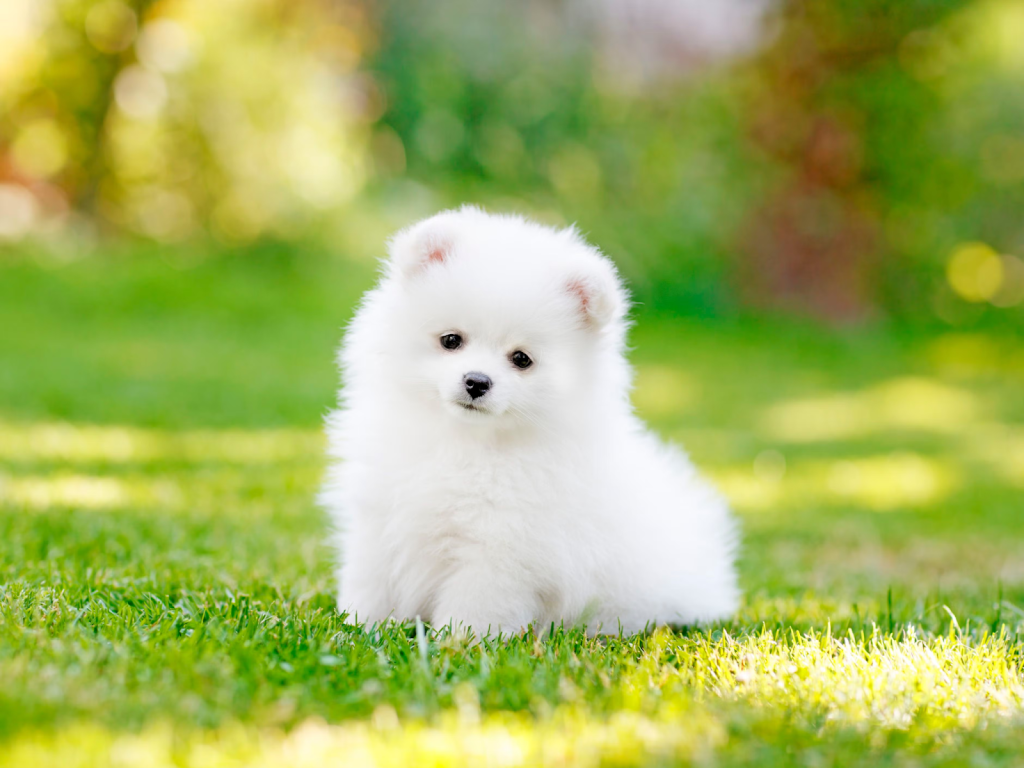
Buying a very small dog can feel exciting, emotional, and even a little glamorous, especially when the breed is as visually appealing as a Pomeranian. Their fluffy coats, expressive eyes, and compact size often make them irresistible at first glance. However, purchasing a teacup-sized puppy is not a decision that should be made quickly or based on appearance alone. These dogs come with unique responsibilities, care requirements, and long-term considerations that every potential owner should fully understand before moving forward.
This guide is designed to educate prospective owners about what life with a teacup Pomeranian truly involves. By understanding the realities behind the size, care needs, and lifestyle impact, you can make a thoughtful and responsible choice that benefits both you and the dog.
Understanding the Teacup Label
Before anything else, it is important to understand what the term teacup pomeranian puppies actually means. The word “teacup” is not an official breed classification recognized by major kennel clubs. Instead, it is a descriptive label commonly used to indicate a Pomeranian that is smaller than the breed standard. Because there is no formal definition, size can vary significantly, and puppies marketed as teacup may grow larger than expected as they mature.
This lack of standardization means buyers should focus less on labels and more on the puppy’s overall health, temperament, and care background. A smaller size does not automatically mean a better or more desirable dog, and in some cases, extremely small size can come with additional health risks.
Evaluating Your Lifestyle and Readiness
One of the most important steps before buying any puppy is evaluating whether your lifestyle is suitable for that specific dog. Teacup Pomeranians thrive in calm, attentive environments where their safety is prioritized. Because of their delicate size, they are more vulnerable to accidents and injuries than larger dogs.
If you travel frequently, work long hours away from home, or live in a high-activity household, you may need to consider whether you can realistically provide the level of supervision and consistency required. These dogs do best with owners who can offer regular interaction, stable routines, and a controlled living space.
Space and Home Environment Considerations
Teacup Pomeranians are often chosen for apartment or small-home living, and in many ways they adapt well to limited space. However, small size does not eliminate the need for a safe and well-prepared environment. Furniture, stairs, and slippery floors can all pose risks.
Preparing your home may involve adding ramps, using pet stairs, and creating designated resting areas where the puppy can relax without risk. Attention to detail in the home environment plays a major role in preventing injuries and promoting long-term well-being.
Financial Responsibilities Beyond the Purchase
The initial cost of purchasing a puppy is only a small part of the overall financial commitment. Veterinary care, high-quality food, grooming, training supplies, and potential medical expenses should all be considered in advance.
Smaller dogs may require specialized veterinary attention, especially if health issues arise. Regular checkups, dental care, and preventive treatments are ongoing costs. Being financially prepared helps ensure that decisions about care are always based on what is best for the dog, not on budget limitations.
Feeding and Daily Care Requirements
Daily care for a teacup Pomeranians require consistency and attention. Their small bodies have fast metabolisms, which means they often need smaller meals given more frequently throughout the day. Skipping meals or feeding inappropriate food can lead to low blood sugar, which can become serious if not managed properly.
In addition to feeding, daily routines should include gentle play, rest periods, and regular observation. Because of their size, even small changes in behavior or appetite can signal a problem, making attentiveness an essential part of ownership.
Grooming and Hygiene Expectations
Despite their tiny stature, Pomeranians have a thick double coat that requires regular maintenance. Grooming is not optional and should be seen as part of routine care rather than an occasional task. Regular brushing helps prevent matting, reduces shedding, and keeps the coat healthy.
Dental care is another important aspect that new owners sometimes overlook. Small dogs are more prone to dental crowding and plaque buildup, which can lead to discomfort and health issues if ignored. Establishing good grooming and hygiene habits early makes care easier over time.
Training, Patience, and Consistency
Training a teacup Pomeranian requires patience and a gentle approach. These dogs are intelligent and capable learners, but they can also be sensitive. Positive reinforcement methods, such as praise and small rewards, are far more effective than harsh corrections.
House training may take longer due to their small bladder size, so consistency is essential. A predictable routine helps the puppy understand expectations and reduces frustration for both owner and dog. Training should always be viewed as an ongoing process rather than a one-time task.
Socialization and Emotional Needs
Socialization plays a critical role in shaping a well-adjusted adult dog. Teacup Pomeranians benefit from gradual exposure to new environments, people, and sounds. Because of their size, interactions with larger dogs should always be supervised to prevent accidental injury.
Emotionally, these dogs tend to form strong bonds with their owners. They often enjoy being close and may become anxious if left alone for long periods. Understanding and respecting these emotional needs helps prevent behavioral issues and strengthens the human-dog relationship.
Ethical Considerations Before Purchasing
Before actively searching for pomeranian puppies for sale, it is important to reflect on the ethical responsibilities involved. Buying a puppy should never be an impulsive decision driven by trends or appearance. Responsible ownership begins with education, realistic expectations, and a willingness to commit for the long term.
Prospective owners should prioritize the well-being of the dog over size labels or marketing terms. Supporting responsible practices and making informed choices contribute to healthier outcomes for both dogs and owners.
Long-Term Commitment and Lifespan
Pomeranians are generally known for their long lifespans, often living well into their teens with proper care. A teacup-sized dog may require more attentive management throughout its life, but the commitment is still measured in years, not months.
Before purchasing, it is important to consider where you see yourself in the future. Changes in work, family structure, or living arrangements can all impact your ability to care for a dog. Planning ahead helps ensure stability and security for the puppy as it grows older.

Final Thoughts
Buying a teacup Pomeranian puppy is a meaningful decision that should be guided by knowledge rather than impulse. While these dogs offer affection, personality, and charm in a small package, they also require attentive care, patience, and long-term commitment.
By understanding the responsibilities, daily care needs, and lifestyle impact involved, prospective owners can make choices that support the health and happiness of their future companion. Thoughtful preparation and realistic expectations are the foundation of a rewarding and lasting relationship with any dog.
