


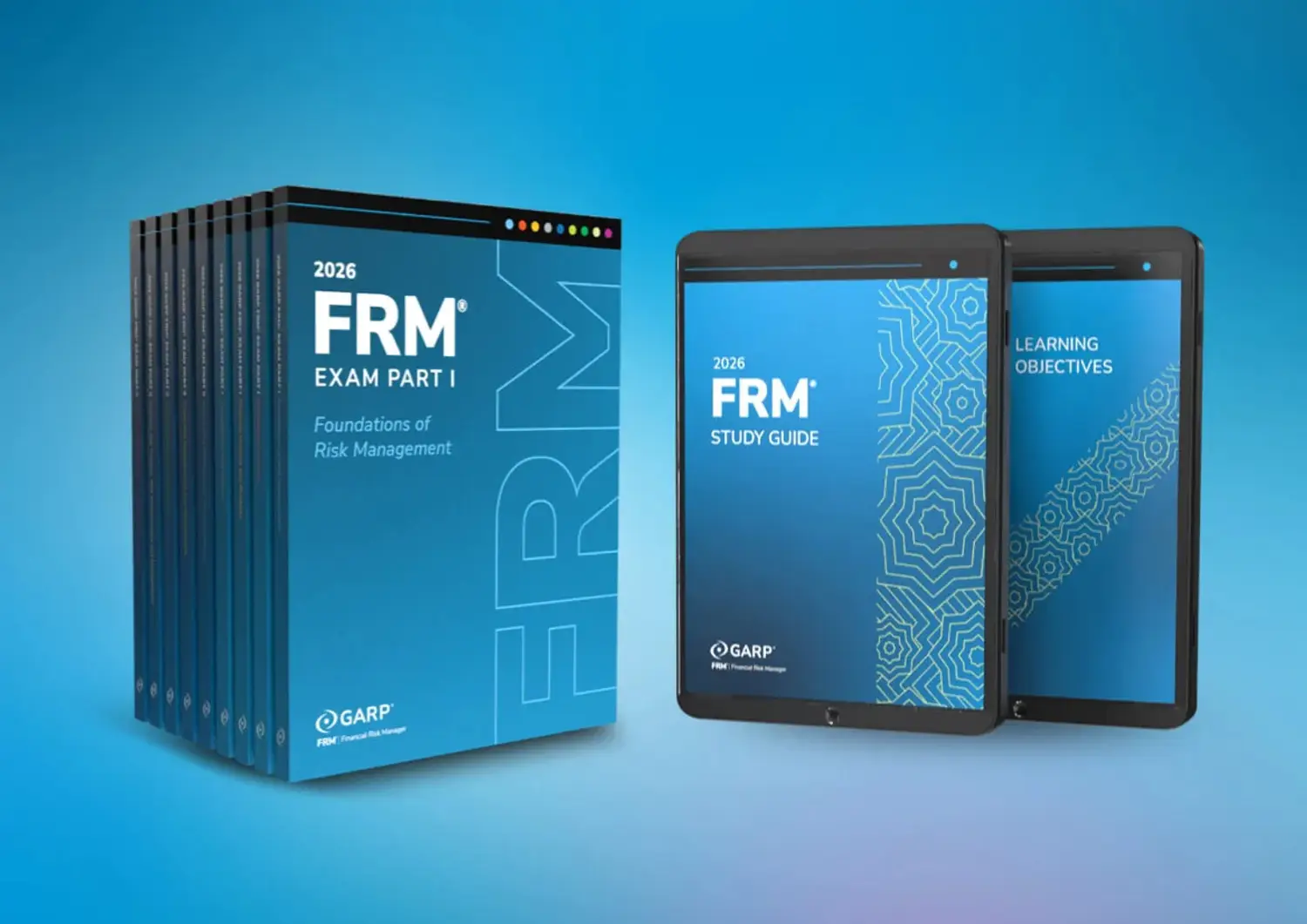
Many people want to grow their careers while keeping their full-time jobs. This guide shows you how to manage your time for the FRM Course without feeling burnt out. You can learn about financial risk management and still do well at your desk every day.
Setting a Realistic Schedule
The first step is to look at your weekly calendar. Most people try to study for five hours after a long day at the office. This usually fails because your mind is tired. Instead, try to find small blocks of time. You might wake up thirty minutes early to read. You could also use your lunch break to solve a few math problems.
A six-month plan works best for most people. This gives you enough time to go through all the books without rushing. If you try to cram everything into two months, you will likely forget the small details. Working forty hours a week means you have about fifteen hours a week to give to your studies. Use those hours when you feel most awake. For some, that is early morning. For others, it is late at night after the house is quiet.
Consistency is what helps you pass. It is better to study for one hour every single day than to study for ten hours only on Sunday. Your brain stays in the habit of thinking about the material. When you skip several days, you spend too much time trying to remember where you left off. Set a timer and stick to it. Even twenty minutes is better than nothing.
Studying in Small Gaps
You do not need a library and a desk to learn. Use the time you spend waiting for a bus or sitting on a train. Carry your notes on your phone or bring a small book with you. The FRM Course has a lot of terms that you can learn through flashcards. If you look at five cards during your commute, you are already ahead of most people.
Short bursts of learning are very good for your memory. Your brain can stay locked on a topic for fifteen minutes quite easily. When you sit for four hours, your mind starts to wander. Use these gaps to stay fresh. If you have a meeting that starts late, open your app and check a formula. These minutes add up to hours by the end of the week.
Think about your day as a series of small windows. If you find four windows of fifteen minutes each, you have found an extra hour of study time. This keeps the pressure low. You won’t feel like you are losing your entire weekend to a textbook. You are just fitting the learning into your normal life.
Using What You Do at Work
One of the best ways to learn is to look at your actual job. If you work in a bank or a hedge fund, you probably see the topics in the FRM Course every day. When you hear about interest rates or stock prices at work, think about how they fit into your reading. This makes the ideas real instead of just words on a page.
Ask your boss or older coworkers about how your company handles risks. They might show you how they use the models you are reading about. This helps you see why financial risk management matters in the real world. It turns a boring chapter into a useful skill. When you see a concept in action, you don’t have to spend hours trying to memorize it. You just know it because you saw it happen.
If your job is not in finance yet, you can still find ways to relate. Look at news stories about banks or market shifts. Try to guess what might happen next based on what you learned in your last study session. This keeps you interested in the subject. It feels less like school and more like a tool for your future.
Choosing the Right Books and Tools
The market is full of different study materials. You don’t need all of them. Picking one or two good sources is enough. If you have too many books, you will get confused. The official books are great, but some people find them very long. Many professionals choose notes that get straight to the point.
Videos are also very helpful when you are too tired to read. Watching a teacher solve a problem can make a hard topic feel much easier. You can listen to these videos while you do chores or go for a walk. This is a great way to use “dead time” where you can’t sit with a pen and paper.
Make sure you have a good calculator and know how to use it well. You don’t want to struggle with buttons during the actual test. Spend a few minutes every day just getting fast with your tools. The more comfortable you are with your calculator, the less stress you will feel when the clock is ticking.
The Best Way to Practice
Reading is only half the battle. You have to solve problems to know if you really learned the material. Start doing practice questions as soon as you finish a chapter. Don’t wait until the end of the month. If you get a question wrong, don’t be sad. That wrong answer is a gift. It tells you exactly what you need to look at again.
As you go through the FRM Course, keep a list of the questions that trip you up. Go back to them every week until they feel easy. This builds your confidence. Many people make the mistake of only doing the questions they are good at. You have to face the hard ones to get better.
Mock exams are your secret weapon. Try to do at least three full-length mocks before the test date. This helps you get used to sitting for a long time. It also teaches you how to manage your time. If you spend ten minutes on one hard question, you won’t finish the rest. Learning when to move on is a big part of passing.
Why This Path Works for Your Career
Getting into financial risk management is a smart move. The world is full of uncertainty, and companies need people who know how to handle it. When you finish your studies, you will have a set of skills that very few people have. This makes you more valuable to your current company and to new ones.
The certificate is proof that you can work hard and stay on track. Employers like to see that you finished a tough program while keeping a job. It shows you have good habits and a strong mind. This can lead to better pay and more interesting roles. You aren’t just passing a test; you are building a better life for yourself.
Keep your eyes on the goal. When the books feel heavy and the days feel long, remember why you started. You are learning how to protect money and businesses from big losses. This is a big job, and the rewards are worth the effort. Take it one day at a time, keep your plan simple, and you will get there.