


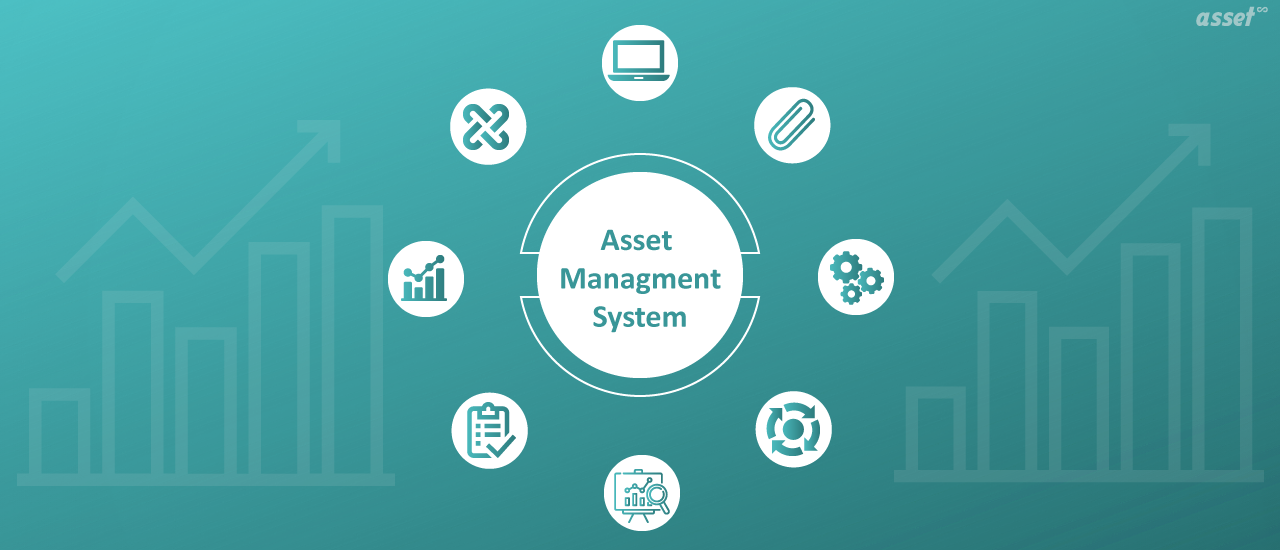
Contemporary businesses are quickly moving towards digital ecosystems that focus on visibility, precision, and control of operations. Organizations are under increasing pressure to reduce downtime and improve performance efficiency in industries with highly distributed assets that are constantly used. The change is being spurred by sophisticated systems that consolidate data and allow the departments to make smart decisions. Enterprise asset control software is one of the most influential innovations that contribute to this transition and enable organizations to control resources in a more accurate and consistent manner. Offering asset data via a single platform, companies can get real-time updates on the utilization, maintenance, and lifecycle performance. This not only minimises operational risks but also enhances long-term planning abilities.
With the growing intensity of competition in markets around the world, organizations are progressively embracing systematic digital means in their effort to attain sustainable growth, a better sense of accountability, and greater resource optimization at all levels of operation, adjusting to the demands of the modern industry efficiently within enterprise systems, which are globally interconnected.
Rising Need for Unified Asset Visibility Across Complex Operations
Companies with multi-site operations are usually faced with disjointed asset information, resulting in inefficiencies and slowness in decision-making. The need for centralized visibility grows critical as the operational complexity grows to ensure that productivity is maintained and resource wastage is minimized. Digital transformation has allowed businesses to bring together all forms of data involving assets into a single system that will allow them to track and report in real-time. This change enables managers to determine unused assets, keep track of maintenance needs, and enhance allocation plans. Enhanced visibility allows companies to minimize unforeseen failures and increase the life cycle of assets by taking proactive measures.
In addition to this, the integrated systems enhance the communication between departments as they bring out uniformity in the data flow and precision. This removes duplication in efforts and chances of human error.
Automation as a Driver of Asset Lifecycle Optimization
The automation is changing how organizations manage the entire lifecycle of their physical and electronic resources, from procurement to retirement. Enterprises will be in a position to be more accurate, on-time, receptive, and even predictable in their operations by minimizing the amount of manual processes. These automated systems may help in creating the maintenance schedules, asset tracking, and performance monitoring in order to make sure that the resources are optimally deployed throughout their lifecycle. Predictive capabilities also improve decision-making by establishing the existence of a possible failure, which can be prevented by taking preventive measures before the failure can happen. This will decrease downtime and the cost of repairs and enhance the reliability of the assets.
Besides, automation will facilitate compliance by ensuring proper records and producing standardized reports that are mandated in audits and governance. Consequently, companies are able to deploy human resources in areas that are more strategic as opposed to administrative duties.
Enhancing Strategic Decision-Making Through Integrated Systems
Today, enterprises cannot operate without integrated digital ecosystems to make informed and timely decisions on the use of assets and managing performance. As operations become more intricate, isolated systems can no longer give the insight needed to make strategic plans. Integrated platforms bring together financial, operational, and technical information into a single structure, whereby the leader can analyze performance in various dimensions. It is a holistic approach that makes the forecasts more accurate, helps to optimize the budget, and makes the allocation of resources more efficient.
To deliver data-driven leadership decisions, the enterprise asset control software could be useful to deliver real-time analytics and actionable intelligence. This will help organizations respond proactively to challenges as they will be in a better position to know the state of assets, maintenance requirements, and operational risks.
Operational Efficiency Gains Through Digital Asset Intelligence
Asset intelligence of a digital nature has also become a pillar of an organization in need of enhancing operational efficiency and minimizing unwarranted expenses. Through the use of sophisticated monitoring systems and analytics, companies will be able to monitor the performance of their assets in real-time and recognize inefficiencies before they develop into bigger business problems. This proactive methodology makes sure that the maintenance activities are planned to be conducted according to the real usage trends, as opposed to a fixed period, which results in the optimization of the resources they use. Moreover, these asset control software offer end-to-end data on the condition of the assets, so organizations can extend the life cycle of their equipment and minimize the costs of replacement.
Increased reporting functions also help meet compliance and governance needs, making transparency in the overall processes of operation. With businesses becoming more data-centric, decision-makers are able to allocate resources in a more strategic way and enhance overall productivity.
Conclusion
Any company that desires to succeed in the competitive world must embrace integrated digital systems that will help elevate its visibility, effectiveness in decision-making, and operations simplification. The growing complexity of industrial processes requires more than traditional management practices and provides the opportunity to transform the end-to-end process digitally. By incorporating smart technologies into main business operations, the businesses will be in a position to achieve optimal use of resources, reduce risks in operations, and improve financial performance. Where the focus on quick digitalization is high, such initiatives as asset management ERP implementation UAE are enabling companies to unify their processes, improve management, and speed up the delivery of transformations.
In order to identify new digital platforms that can transform enterprises and enhance operational excellence, organizations can take into account platforms provided by ePROMIS, which can help to achieve efficiency, scalability, and long-term value creation. Ongoing innovation keeps businesses up to date and competitive in fast-evolving business environments around the world, and this is because of the strategic adoption of technology.