


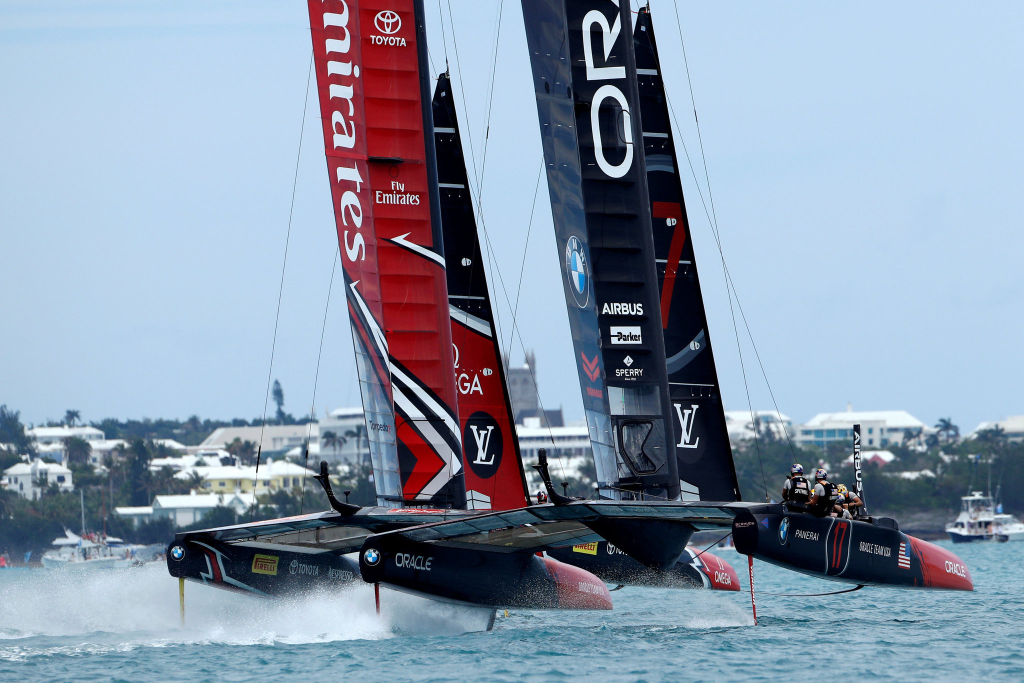
In professional sailing, where races can last from 40 minutes to over 6 hours depending on class and format, weather variables like wind speed and direction can shift outcomes by margins exceeding 50%. During the America’s Cup 2013, Oracle Team USA overturned an 8–1 deficit largely due to adapting to stronger winds above 18 knots. Their rivals, Emirates Team New Zealand, had optimized for lighter 10–12 knot conditions and struggled once wind patterns shifted. That series remains one of the most dramatic tactical reversals in sailing history. As wind strength and direction impact positioning, logging in via 1xBet login Nepal provides access to different race stages and markets.
Wind shifts of even 5 degrees can change optimal routes by hundreds of meters over a 5 km leg. In the Volvo Ocean Race, teams regularly recalculate routes every 10–15 minutes using updated forecasts. During the 2017–18 edition, a sudden drop from 20 knots to under 8 knots in the South Atlantic forced fleets to compress within 2 nautical miles after being spread over 50 miles. Such collapses reset the entire competitive structure mid-race. When conditions evolve during the race, entering through login Nepal 1xBet makes live betting with dynamic coefficients available.
How teams adapt strategy to volatile conditions
Elite crews constantly adjust sail configurations, switching between 3–4 different setups depending on wind thresholds. Teams like Team INEOS Britannia train for rapid transitions, often completing sail changes in under 90 seconds.
Critical tactical adaptations driven by weather include:
- Route optimization recalculated every 10–20 minutes based on wind shifts
- Sail changes executed within 60–120 seconds to match conditions
- Crew weight distribution adjustments across 2–3 positions to balance the hull
- Speed variations from 15 knots up to 40+ knots in high-performance classes
- Strategic delays or accelerations over 1–2 km segments depending on gust patterns
A single misread of a wind shift can cost 2–3 minutes, which in tight races equals multiple ranking positions. During the Sydney to Hobart Yacht Race, extreme weather has repeatedly redefined outcomes. Finishing times varied by more than 24 hours between boats that experienced different micro-conditions along the course. Even in controlled formats like the SailGP series, where races last around 15–20 minutes, wind variation of just 3–5 knots can change acceleration profiles and turning efficiency. Teams that react within 30 seconds gain measurable advantages over those that take 1–2 minutes to adjust.
