


Table of Contents
1. Introduction
2. Understanding Product Catalogues
3. Importance of Print Formats in Product Catalogues
4. Common Print Formats for Product Catalogues
– 4.1. Booklets
– 4.2. Brochures
– 4.3. Flyers
– 4.4. Magazines
5. Factors to Consider When Choosing a Print Format
6. Advantages of Each Print Format
7. Case Studies: Successful Product Catalogues
8. Tips for Designing an Effective Catalogue
9. Conclusion
Introduction
In the ever-evolving landscape of retail and marketing, product catalogues continue to be a powerful tool for businesses to showcase their offerings and engage potential customers. Despite the rise of digital platforms, printed catalogues hold a unique appeal that captures attention and drives purchasing decisions. This article will explore the various print formats that work best for product catalogues, providing insights and actionable recommendations that can elevate your marketing strategy.
Understanding Product Catalogues
Product catalogues serve as comprehensive directories of goods or services offered by a business, designed to inform customers about product features, benefits, and pricing. They can take several forms, from simple pamphlets to elaborate, full-color publications featuring high-quality imagery and detailed descriptions.
The primary purpose of a catalogue is to facilitate the buying process by providing all necessary information in a visually appealing format. A well-structured catalogue not only showcases products effectively but also builds brand identity and enhances customer loyalty.
Importance of Print Formats in Product Catalogues
Choosing the right print format is crucial to the success of your product catalogue. The format impacts not only the aesthetics but also how information is conveyed and perceived by potential customers.
Effective print formats can:
– Enhance readability and comprehension
– Create an emotional connection with the brand
– Influence purchasing decisions through persuasive design
Understanding the nuances of different print formats allows businesses to select the most effective medium for their target audience.
Common Print Formats for Product Catalogues
4.1. Booklets
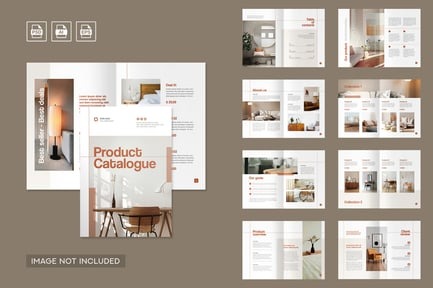
Booklets are compact publications that typically range from 8 to 40 pages, bound together with staples or adhesive binding. They are ideal for businesses that offer a wide variety of products or services as they provide ample space for detailed descriptions, images, and specifications.
Pros of Booklets:
– Professional appearance that conveys quality.
– Room for rich content including product stories, tips, and customer testimonials.
Cons of Booklets:
– Higher production costs compared to simpler formats.
– Requires careful planning regarding layout and design.
4.2. Brochures
Brochures are single-sheet prints that are folded into various formats such as tri-fold or z-fold designs, making them portable and easy to distribute during events or in-store promotions.
Advantages of Brochures:
– Cost-effective for small-scale promotions.
– Quick to produce and easy to update with new offers.
Limitations:
– Limited space restricts content volume.
– May not provide enough depth for complex products.
4.3. Flyers
Flyers are one of the simplest forms of printed marketing materials, often used for announcing special promotions or events. While they lack the depth of booklets or brochures, they can effectively grab attention when designed with strong visuals and concise messaging.
Benefits of Flyers:
– Highly customizable; suited for any promotional campaign.
– Easy distribution at various venues, from stores to community events.
Drawbacks:
– Less durable than other formats; may end up discarded.
– Requires compelling design to stand out.
4.4. Magazines
Magazines can serve as an extensive platform for showcasing products alongside engaging articles and lifestyle features relevant to the target audience. They can be published periodically—monthly or quarterly—allowing brands to build a loyal readership over time.
Strengths of Magazines:
– High-quality visuals attract readers; perfect for luxury brands.
– Opportunity to integrate advertorials which provide value beyond just selling products.
Weaknesses:
– Higher production costs due to premium printing options.
– Longer lead times can delay marketing campaigns.
Factors to Consider When Choosing a Print Format
When deciding on a print format for your product catalogue, consider the following factors:
Target Audience
Understand who your customers are and how they prefer receiving information. Some audiences may appreciate detailed booklets while others might respond better to quick-read flyers or brochures.
Budget Constraints
Your budget will greatly influence your choice of print format since some options require more investment in design and production than others.
Distribution Method
Consider how you plan to distribute your catalogues – whether through direct mail, events, or in-store placements – as certain formats lend themselves better to specific methods.
Content Requirements
Identify how much information you need to convey about each product. Complex products may necessitate a more detailed format like a booklet while simpler offerings could be showcased effectively with brochures or flyers.
Advantages of Each Print Format
Each print format has specific advantages that cater to different marketing strategies:
– Booklets: Offer storytelling potential and in-depth information which fosters stronger connections with consumers.
– Brochures: Provide versatility in design while being user-friendly for quick updates on promotions.
– Flyers: Allow rapid dissemination of information at low cost; ideal for time-sensitive promotions.
– Magazines: Serve as an ongoing branding tool that cultivates audience engagement through rich content outside just product listings.
Case Studies: Successful Product Catalogues
Several brands have successfully leveraged print catalogues as part of their marketing strategies:
IKEA Catalogue
IKEA’s annual catalogue is renowned for its combination of beautiful imagery and practical advice on home styling. By positioning products within aspirational living scenarios, IKEA not only sells furniture but also lifestyle aspirations.
Apple Product Guide
Apple’s product guide employs minimalist design principles that reflect its brand ethos while emphasizing key features through stunning visuals and succinct text—making complex technology accessible and desirable.
These case studies highlight how effective print formats can enhance brand messaging while driving sales through engaging content presentation.
Tips for Designing an Effective Catalogue
Creating an effective product catalogue requires careful consideration in terms of design and content flow:
1. Prioritize Visuals: Use high-quality images that showcase your products effectively while maintaining consistency in style throughout the catalogue.
2. Use Clear Typography: Choose readable fonts and maintain consistency across headings, subheadings, and body text.
3. Incorporate White Space: Avoid clutter by strategically using white space which enhances readability and gives elements room to breathe.
4. Provide Value Beyond Products: Consider adding tips, usage ideas, or customer stories that resonate with your audience beyond just selling products.
5. Test Different Formats: If possible, create mock-ups using different formats before finalizing one—gather feedback from target customers on what resonates most effectively.
By employing these strategies, businesses can create impactful catalogues that not only promote products but also foster brand loyalty among customers.
The world of print catalogues is vast and varied, offering numerous possibilities for businesses looking to connect with their audience creatively and effectively through tactile experiences that digital formats cannot replicate easily. Embracing the right print format could very well be the catalyst that elevates your brand’s presence in a competitive market landscape.
