


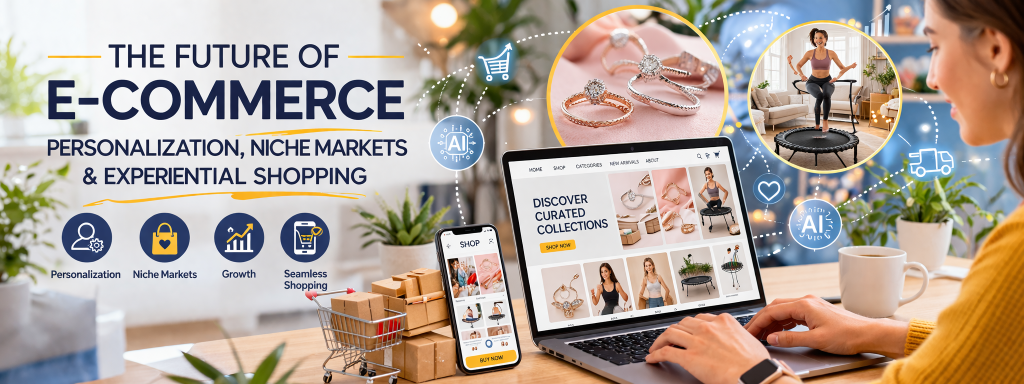
E-commerce has undergone a massive transformation over the past decade, evolving from simple online storefronts into highly sophisticated ecosystems driven by data, personalization, and customer experience. As consumer expectations continue to rise, businesses must go beyond convenience and competitive pricing to truly stand out. Today’s most successful e-commerce brands are those that understand how to connect with customers on a deeper level, offering tailored experiences, curated product selections, and seamless interactions across multiple platforms.
The future of e-commerce lies in blending technology with human-centric design. It’s not just about selling products anymore, it’s about creating journeys that resonate with individual shoppers. From AI-powered recommendations to immersive product visualization, companies are rethinking how they engage customers at every stage of the buying process.
The Rise of Personalization in Online Retail
Personalization is no longer a luxury, it’s an expectation. Modern consumers want brands to understand their preferences, anticipate their needs, and deliver relevant recommendations. With the help of machine learning and big data, e-commerce platforms can analyze browsing behavior, purchase history, and even real-time interactions to tailor each user’s experience.
For example, personalized product suggestions can significantly increase conversion rates. Instead of presenting a generic catalog, businesses can showcase items that align with a customer’s interests, style, or past purchases. This approach not only improves sales but also enhances customer satisfaction and loyalty.
Email marketing, product recommendations, and targeted ads have all benefited from personalization. However, the next step involves deeper customization, such as dynamic website layouts and AI-driven chatbots that provide individualized support.
Niche Markets: The Key to Differentiation
As the e-commerce space becomes more crowded, niche markets are emerging as powerful opportunities for growth. Rather than competing with large retailers on a broad scale, smaller businesses are finding success by focusing on specific audiences and unique product categories.
Take the jewelry sector, for instance. While large platforms sell a wide range of accessories, specialized online stores that focus exclusively on engagement rings are able to offer detailed guides, customization options, and expert advice that general retailers often lack. This level of specialization creates trust and positions the brand as an authority within its niche.
Similarly, retailers that cater to specific life events or interests can build stronger emotional connections with their audience. Whether it’s sustainable fashion, pet accessories, or fitness equipment, niche markets allow businesses to target highly engaged customers who are more likely to convert and remain loyal.
The Power of Storytelling in E-Commerce
One of the most effective ways to stand out in a competitive market is through storytelling. Consumers are increasingly drawn to brands that have a clear identity and purpose. By sharing the story behind a product—how it’s made, who created it, and why it matters, businesses can create a more meaningful shopping experience.
Storytelling is particularly impactful in categories that carry emotional significance. For instance, wedding rings are often associated with lifelong commitments and personal milestones. By highlighting craftsmanship, ethical sourcing, and customer stories, e-commerce brands can transform a simple purchase into a memorable experience.
Content marketing plays a crucial role here. Blog posts, videos, and social media campaigns can all be used to tell compelling stories that resonate with the target audience. This approach not only drives traffic but also builds brand loyalty over time.
Mobile Commerce and Seamless User Experience
With the majority of online shopping now happening on mobile devices, optimizing for mobile commerce is essential. A seamless user experience, fast loading times, intuitive navigation, and secure payment options can make or break a sale.
Progressive Web Apps (PWAs) and mobile-first design strategies are helping businesses deliver app-like experiences directly through web browsers. Features such as one-click checkout, saved payment methods, and personalized dashboards further streamline the shopping process.
In addition, voice search and virtual assistants are beginning to influence how consumers discover products. Optimizing for these technologies can provide a competitive edge, especially as voice commerce continues to grow.
The Role of Social Commerce
Social media platforms are no longer just marketing tools; they’ve become full-fledged sales channels. Social commerce allows users to discover, explore, and purchase products without ever leaving their favorite apps.
Platforms like Instagram, TikTok, and Facebook offer integrated shopping features, enabling brands to showcase products through engaging content. Influencer partnerships and user-generated content also play a significant role in driving sales.
By leveraging social proof and interactive content, businesses can create a sense of community around their brand. This not only boosts visibility but also encourages repeat purchases and customer advocacy.
Immersive Shopping Experiences
As technology advances, immersive shopping experiences are becoming more accessible. Augmented reality (AR) and virtual reality (VR) allow customers to visualize products in real-world settings, reducing uncertainty and increasing confidence in their purchase decisions.
For example, furniture retailers use AR to show how items will look in a customer’s home, while fashion brands offer virtual try-ons. These innovations bridge the gap between online and offline shopping, providing a more interactive and engaging experience.
In the fitness industry, products like rebounder trampoline equipment have gained popularity due to their versatility and compact design. E-commerce platforms can enhance the buying experience by offering video demonstrations, interactive guides, and personalized workout plans, helping customers make informed decisions.
Logistics and Fast Delivery Expectations
Fast and reliable delivery has become a critical factor in e-commerce success. Consumers now expect quick shipping options, real-time tracking, and hassle-free returns. To meet these demands, businesses are investing in advanced logistics solutions and partnerships with third-party providers.
Same-day and next-day delivery services are becoming increasingly common, especially in urban areas. Warehousing strategies, such as distributed fulfillment centers, help reduce shipping times and costs.
Sustainability is also playing a role in logistics decisions. Eco-friendly packaging and carbon-neutral shipping options are becoming important considerations for environmentally conscious consumers.
Data Security and Trust
As online transactions increase, so do concerns about data security and privacy. Building trust is essential for e-commerce businesses, as customers need to feel confident that their personal and financial information is protected.
Implementing secure payment gateways, SSL certificates, and transparent privacy policies can help establish credibility. Additionally, offering multiple payment options, including digital wallets and buy-now-pay-later services, can enhance convenience and trust.
Customer reviews and ratings also contribute to building trust. Positive feedback and testimonials provide social proof, encouraging new customers to make a purchase.
Expanding Product Categories and Hybrid Models
E-commerce is no longer limited to traditional retail categories. Businesses are exploring new product segments and hybrid models that combine physical and digital offerings. Subscription services, digital products, and personalized bundles are all gaining traction.
In the health and wellness space, exercise trampolines have become a popular choice for home fitness enthusiasts. By offering bundled packages that include workout programs, accessories, and online coaching, e-commerce brands can create added value and differentiate themselves from competitors.
Hybrid models, such as click-and-collect and online-to-offline (O2O) strategies, are also bridging the gap between digital and physical retail. These approaches provide flexibility and convenience, catering to diverse customer preferences.
The Future Outlook
The future of e-commerce will be shaped by continuous innovation and a deeper understanding of consumer behavior. Technologies like artificial intelligence, blockchain, and the Internet of Things (IoT) will further enhance the shopping experience, making it more efficient, secure, and personalized.
Businesses that prioritize customer experience, embrace emerging technologies, and adapt to changing market trends will be well-positioned for success. By focusing on niche markets, storytelling, and immersive experiences, brands can create meaningful connections that go beyond transactions.
Ultimately, e-commerce is not just about selling products; it’s about building relationships. As the digital landscape continues to evolve, the ability to connect with customers on a personal level will remain the key to long-term growth and sustainability.