


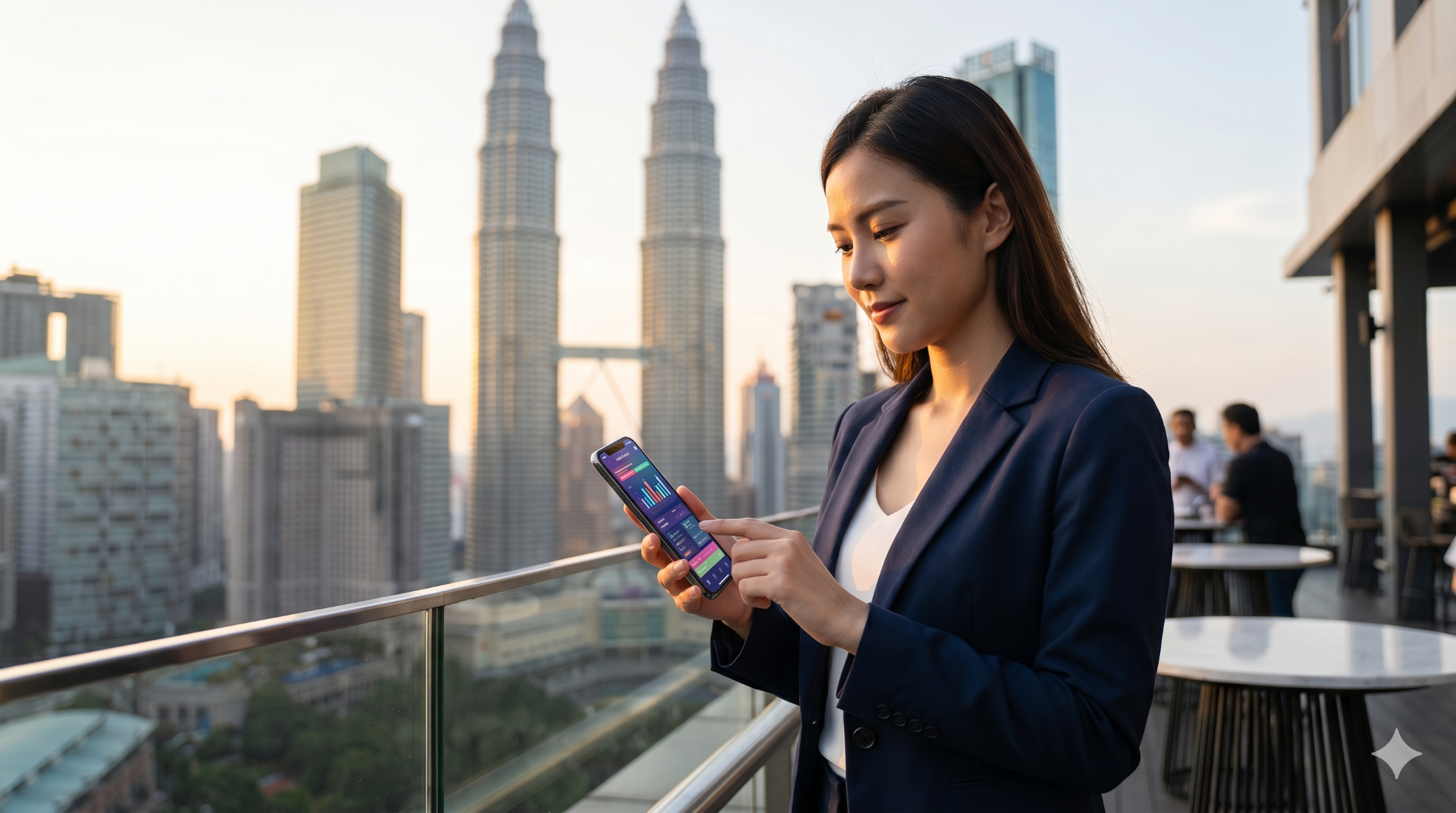
Southeast Asia has quietly become one of the most dynamic mobile entertainment markets in the world. With over 400 million internet users across the region and smartphone penetration rates that continue to climb, the appetite for mobile-first digital experiences has exploded. And within this regional boom, Malaysia stands out as a clear leader.
Here’s why Malaysia has positioned itself at the forefront of the SEA mobile entertainment revolution — and what that means for the future of digital leisure in the region.
Smartphone Penetration Leads the Region
Malaysia’s smartphone penetration sits at around 94%, one of the highest rates in Southeast Asia. Compare this to Indonesia (roughly 73%) or the Philippines (around 76%), and the difference is stark. With nearly every adult Malaysian owning a smartphone, the foundation for mobile entertainment adoption was already in place years before the regional boom took off.
Affordable device pricing, competitive telco plans, and strong Android adoption have made smartphones accessible across all income levels. This universal access is what separates Malaysia from its regional neighbors — mobile entertainment isn’t a luxury, it’s the default.
5G Rollout Is Reshaping the Experience
Malaysia’s 5G rollout has been aggressive compared to the rest of the region. Digital Nasional Berhad (DNB) has expanded 5G coverage to most major urban areas, enabling faster streaming, lower-latency gaming, and seamless live-video experiences that weren’t possible on 4G networks.
This matters because mobile entertainment quality is directly tied to network performance. Esports tournaments, live-dealer casino streams, HD video calls, and cloud gaming all benefit from the infrastructure upgrade — and Malaysian users are among the first in SEA to experience what next-gen mobile entertainment actually looks like.
Fintech and E-Wallets Power Frictionless Transactions
You can’t talk about mobile entertainment without talking about payments. Malaysia’s fintech ecosystem — Touch ‘n Go eWallet, Boost, GrabPay, ShopeePay, DuitNow — has made digital transactions almost invisible. Users can top up gaming accounts, subscribe to streaming services, buy in-app purchases, or fund entertainment platforms in seconds.
This is a massive advantage. In markets where cash remains dominant or where cross-border payments are clunky, mobile entertainment growth stalls. Malaysia’s seamless payment infrastructure has removed the biggest friction point for users.
Mobile Gaming and Esports Lead the Charge
Mobile Legends: Bang Bang, Free Fire, PUBG Mobile, and Genshin Impact have turned Malaysia into a serious mobile gaming market. Malaysian teams regularly compete in international tournaments, and local esports events draw thousands of live attendees plus millions of online viewers.
What’s interesting is how mobile gaming has crossed into mainstream entertainment. University students, working professionals, and even homemakers play ranked matches during their downtime. Gaming is no longer a niche hobby — it’s a daily habit for millions.
Mobile-First Casino and Sportsbook Platforms
Another segment benefiting from Malaysia’s mobile-first behavior is online casino and sportsbook platforms. Local operators like me88 have capitalized on this shift by offering mobile-optimized experiences tailored to Malaysian users — from live-dealer games that stream smoothly on 4G and 5G, to sportsbook interfaces built for quick in-play betting on football, badminton, and esports.
Reports from industry analysts show the online casino malaysia market has grown significantly alongside the country’s fintech boom, with mobile accounting for the overwhelming majority of user activity. Platforms that support local banking integrations and e-wallets have captured the lion’s share of this growth, while those still relying on desktop-first experiences have been left behind.
Streaming and Content Consumption
Netflix, Disney+ Hotstar, Viu, and iQIYI all report strong user engagement in Malaysia. What’s particularly notable is the multi-screen behavior — Malaysians commonly watch content on smartphones even at home, often alongside scrolling TikTok or chatting in WhatsApp groups. This split-attention entertainment style is distinctly mobile-native.
Local content platforms have also found success. Astro GO, Unifi TV, and Tonton cater to audiences looking for Malay-language dramas, local news, and regional content that international platforms don’t carry.
Short-Form Video Is Reshaping Everything
TikTok has become an entertainment powerhouse in Malaysia. Beyond the viral dance trends, Malaysian creators have built genuine careers producing food content, comedy, political commentary, and educational videos. TikTok Shop has also turned entertainment into commerce, with live-selling sessions pulling in thousands of viewers at a time.
Instagram Reels and YouTube Shorts compete for the same attention, but TikTok’s dominance among Malaysian users under 35 is hard to ignore.
Why Malaysia Leads the Region
Several factors combine to give Malaysia its leading position:
Infrastructure — 5G rollout, widespread fiber broadband, and strong mobile networks provide the technical foundation.
Economic middle class — Disposable income for entertainment subscriptions, in-app purchases, and gaming hardware is higher than in most regional markets.
Multilingual content consumption — Malaysians comfortably consume content in English, Bahasa Malaysia, Mandarin, and Tamil, giving them access to a broader content library than most regional users.
Fintech maturity — E-wallet adoption and DuitNow have removed payment friction.
Regulatory environment — While certain segments like online gambling operate in a regulated gray zone, Malaysia’s overall digital economy benefits from supportive government policies like MDEC initiatives and the Malaysia Digital Blueprint.
The Road Ahead
Looking forward, several trends are likely to shape Malaysia’s mobile entertainment landscape further. AI-powered content recommendations are becoming more sophisticated. Cloud gaming is slowly gaining traction. Live-streaming and interactive entertainment are merging into hybrid formats that blur the lines between gaming, social media, and content consumption.
For regional observers, Malaysia serves as a useful preview of where the rest of Southeast Asia is heading. Markets like Thailand, Vietnam, and Indonesia are following similar trajectories, even if they’re a few steps behind on infrastructure and fintech adoption.
Final Thoughts
Malaysia’s leadership in SEA mobile entertainment isn’t an accident — it’s the result of years of infrastructure investment, fintech innovation, and consumer adoption reaching critical mass. For users, this means better experiences, more choices, and lower friction. For platforms and operators, it means a sophisticated market that rewards those who genuinely build for mobile-first audiences.
The mobile entertainment boom in Southeast Asia is far from over, and Malaysia will likely remain at the front of the pack for years to come.
