


In a world where digital experiences are built on APIs, every delay in integration or rework in design comes at a cost. Agile development demands more than just shipping features quickly — it requires building the right things, the right way, the first time. One of the smartest ways to meet that challenge? Adopt an API design tool — not as an afterthought, but as your project’s starting point.
By treating your APIs like products and using design tools to prototype them before writing a single line of backend code, teams dramatically reduce friction, eliminate ambiguity, and bring their services to market faster. In fact, API design tools are now core to modern delivery pipelines — enabling everyone from developers and QA engineers to product managers and partner teams to align early and move fast.
Why Code-First Can Slow You Down
In traditional workflows, teams take a code-first approach: build the backend, expose some endpoints, then wrap up the documentation at the end. While this might work for small internal services, it breaks quickly at scale. Here’s why:
- Frontend teams are blocked, waiting for APIs to be ready
- Partners can’t test until production is stable
- Product managers don’t get to review the API until it’s too late to change
- QA can’t prepare test plans until endpoints are finalized
- Dev teams burn hours fixing what could have been prevented in planning
These delays compound as projects grow. What’s needed is a design-first approach — and that’s exactly what an API design tool delivers.
What Is an API Design Tool?
An API design tool is a platform where teams can:
- Define endpoints, parameters, authentication, and responses
- Visualize API structures before implementation
- Create mock servers for early testing
- Auto-generate interactive documentation
- Enforce governance and standards
- Track versioning and manage changes
Popular tools include Stoplight, Postman’s API Builder, SwaggerHub, and Insomnia — each offering varying levels of UI/UX and integration with OpenAPI specifications.
APIs as Prototypes: Build Before You Build
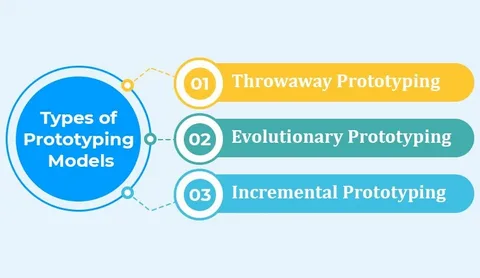
The real power of an API design tool lies in prototyping. Much like wireframes in UI/UX design, you can map out how your API will behave, look, and interact before writing any production code.
This means:
- Product managers can give feedback on endpoints, data flows, and naming conventions
- Developers get clarity on what they’re building and what downstream consumers expect
- Testers can prepare test cases ahead of time
- External partners can begin integration using mock APIs
Instead of learning through post-launch bug reports or missed deadlines, teams fix problems early — when they’re cheap.
A Real-World Use Case: Shipping Faster with Prototypes
Let’s take a mid-sized SaaS company launching a new analytics dashboard. The frontend team needs access to APIs for fetching user activity, while a third-party partner requires data ingestion endpoints.
In a code-first model, the backend team would build the endpoints first, and only then would the other teams start working. The timeline: 4–6 weeks.
With an API design tool, the team creates a prototype of the analytics API using OpenAPI. They spin up mock servers that return dummy data with the correct structure. The frontend team starts building immediately. The partner integrates in parallel.
The result? The whole feature ships in half the time — with fewer bugs, fewer meetings, and no nasty surprises.
Enforcing Consistency Across Teams
APIs built by different developers often look… well, different. One uses camelCase, another snake_case. Some return 200 OK, others 201 Created. Error messages vary wildly. Left unmanaged, this leads to integration fatigue, frustration, and refactoring debt.
API design tools solve this with reusable design components:
- Standardized response formats
- Common authentication flows
- Predefined error codes and messages
- Design tokens for pagination, rate limits, and more
These elements can be embedded into templates or shared libraries, ensuring every new API adheres to your org’s best practices — no matter who builds it.
Getting Governance Without Slowing Down
Large orgs often fear governance will slow developers down. But with a good API design tool, it actually speeds things up.
Here’s how:
- Style guide enforcement: Automatically flag inconsistent naming or missing descriptions
- Approval workflows: Route new API designs for review before implementation
- Change tracking: Understand what changed between v1 and v2, and why
- Auditability: Maintain logs of decisions for compliance and team transparency
By baking governance into the design layer, developers stay productive, and leadership gets the oversight they need.
Boosting Developer Experience with Live Docs
Modern developers expect self-service. They don’t want to email someone for API access or read a 30-page PDF. They want interactive documentation — the kind generated automatically from your API design tool.
Features include:
- Live request/response examples
- Try-it-now functionality with test tokens
- Copy-paste code snippets in multiple languages
- Integrated changelogs and usage tips
This not only improves internal efficiency but also makes your external APIs more attractive to partners and clients — reducing onboarding time and support tickets.
Better Testing, Earlier Validation
With mock servers and predefined schemas from your API design tool, you can:
- Begin writing tests before the real API is ready
- Validate edge cases, response delays, and error handling early
- Integrate with CI/CD to enforce API spec conformance
It’s a shift-left approach: test early, fix early, deploy confidently.
The Strategic Payoff: Faster, Safer, Smarter API Projects
Organizations that embrace API design tools report:
- 30–50% faster delivery on new services
- Reduced rework during QA and integration
- Fewer support requests post-launch
- Increased reuse of internal APIs
The takeaway? Design is not a luxury — it’s a delivery accelerator. When you start your projects in an API design tool, you’re not just drawing diagrams — you’re removing blockers before they form.
Final Thoughts: Design Is the Delivery Blueprint
In today’s competitive market, time to market can make or break your product. But rushing without structure only leads to poor integrations, frustrated developers, and technical debt.
An API design tool provides the blueprint for building fast — and building right. It allows teams to align early, test thoroughly, and scale confidently.
If you’re tired of scrambling to patch APIs after launch or losing time in cross-team confusion, it’s time to embrace design-first development. Treat your API design as seriously as your UI/UX. Your developers, partners, and customers will thank you — with better integrations and faster results.
